-
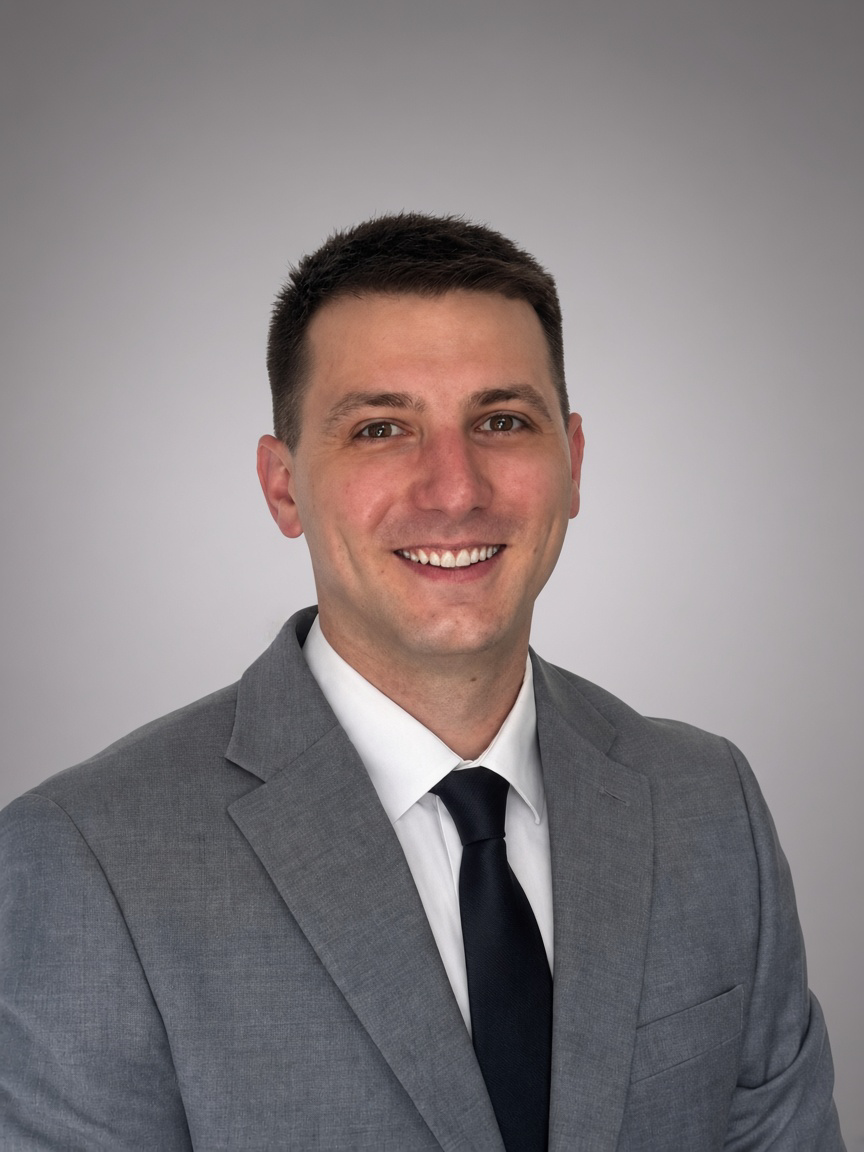
Founder & Principal Engineer
With over 10 years of experience in fabrication, mechanical design, and industrial engineering, Justin has worked with facilities across the Pacific Northwest to solve complex engineering and operational challenges. His hands-on background in both fabrication and engineering provides a practical perspective on developing solutions that can be successfully implemented in the field.
Outside of engineering, Justin can often be found skiing, golfing, or spending time in the mountains.
About Root Cause Engineering
RCE is a mechanical, industrial, and process engineering firm serving industrial facilities throughout the Pacific Northwest. We provide engineering, design, analysis, and field support for manufacturers, food processors, data centers, and other industrial operators.
At our core, we believe good engineering should reduce risk, control cost, and help projects move forward. That means understanding the real problem, applying the right level of engineering effort, and developing solutions that are appropriate for the actual conditions and consequences involved.
We avoid unnecessary complexity and excessive conservatism that can drive up cost without meaningfully reducing risk. At the same time, we do not believe in temporary fixes that simply move a problem to somewhere else in the system. Whether supporting a new installation, modifying an existing system, evaluating equipment, or troubleshooting a persistent issue, our focus is on practical, well-reasoned solutions that are safe, reliable, efficient, and built to last.
We also understand that engineering does not happen in a vacuum. Construction schedules, operations, maintenance needs, and project budgets matter. Our goal is to provide clear answers and responsive support so clients can make informed decisions and keep work moving.
How We Got Our Name
RCE (Root Cause Engineering) was built around a simple idea: the best solution starts with understanding the cause(s) of the problem.
Band-aid fixes may solve the immediate symptom, but they often create additional cost, downtime, and frustration later. By taking the time to understand the equipment, processes, operating conditions, and constraints behind a problem, we can develop solutions that address what is actually driving it.
That same thinking applies to design. More material, larger equipment, or greater conservatism does not automatically make a solution better. Good engineering requires understanding the risks, making informed decisions, and designing a solution that is appropriate for the application.
That philosophy guides how we approach every project: understand the problem, manage the risk, avoid unnecessary cost, and develop a solution that keeps the project moving.
our core beliefs
-
![Focused Solutions]()
Focused Solutions
The best solutions start with clearly understanding the problem and addressing its underlying cause.
-
![Practical Engineering]()
Practical Engineering
Good engineering must work in practice, with solutions that are realistic to build, operate, and maintain.
-
![Collaboration]()
Collaboration
Better outcomes come from working closely with the people who understand the equipment, processes, and challenges firsthand.
-
![Safety & Reliability]()
Safety & Reliability
Safety and reliability are fundamental considerations in every engineering decision.
-
![Continuous Improvement]()
Continuous Improvement
Every project is an opportunity to improve performance, efficiency, reliability, or the way work is done.
-
![Technical Rigor]()
Technical Rigor
Engineering decisions should be supported by sound analysis, clear assumptions, and well-founded technical judgment.